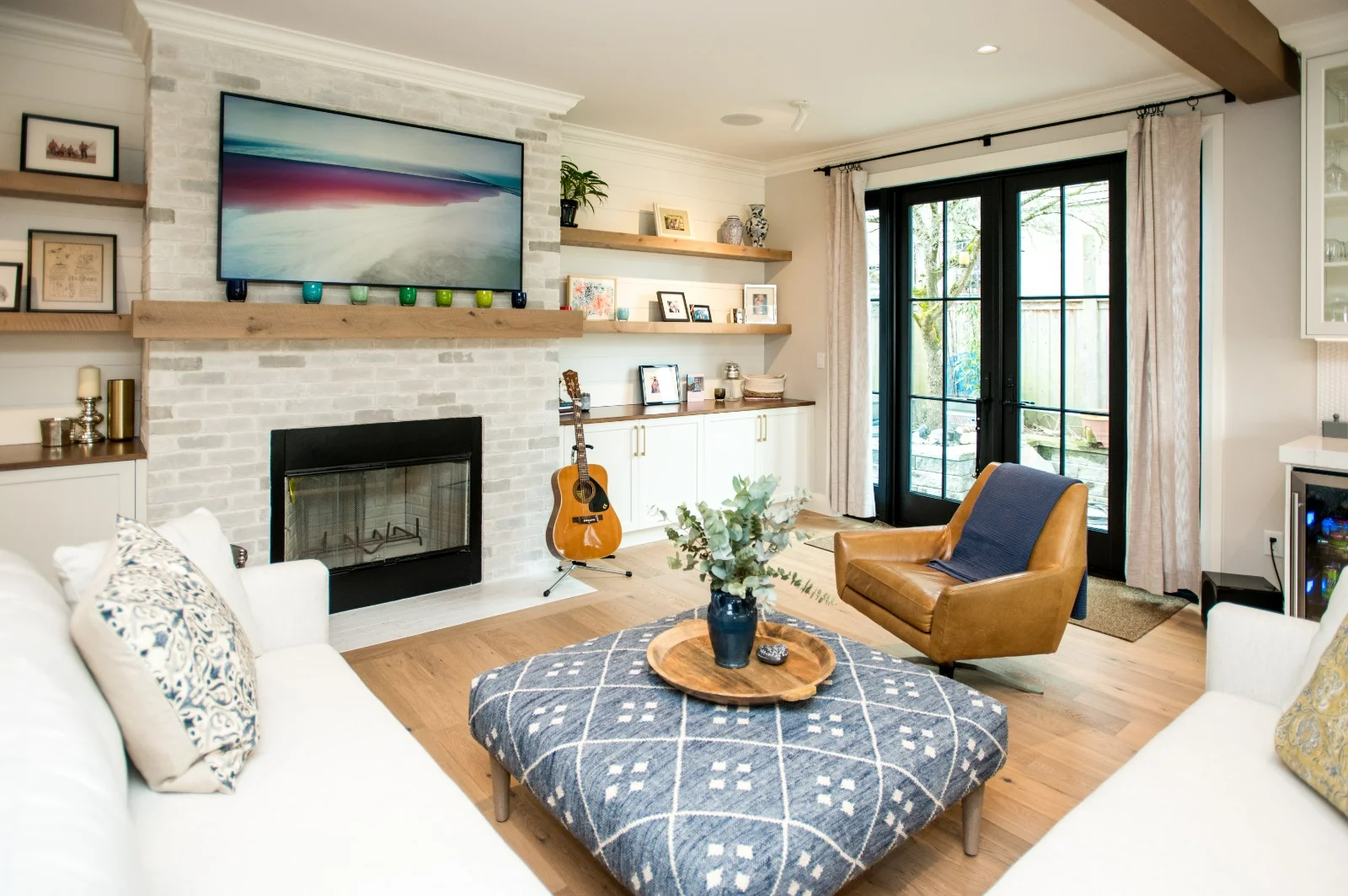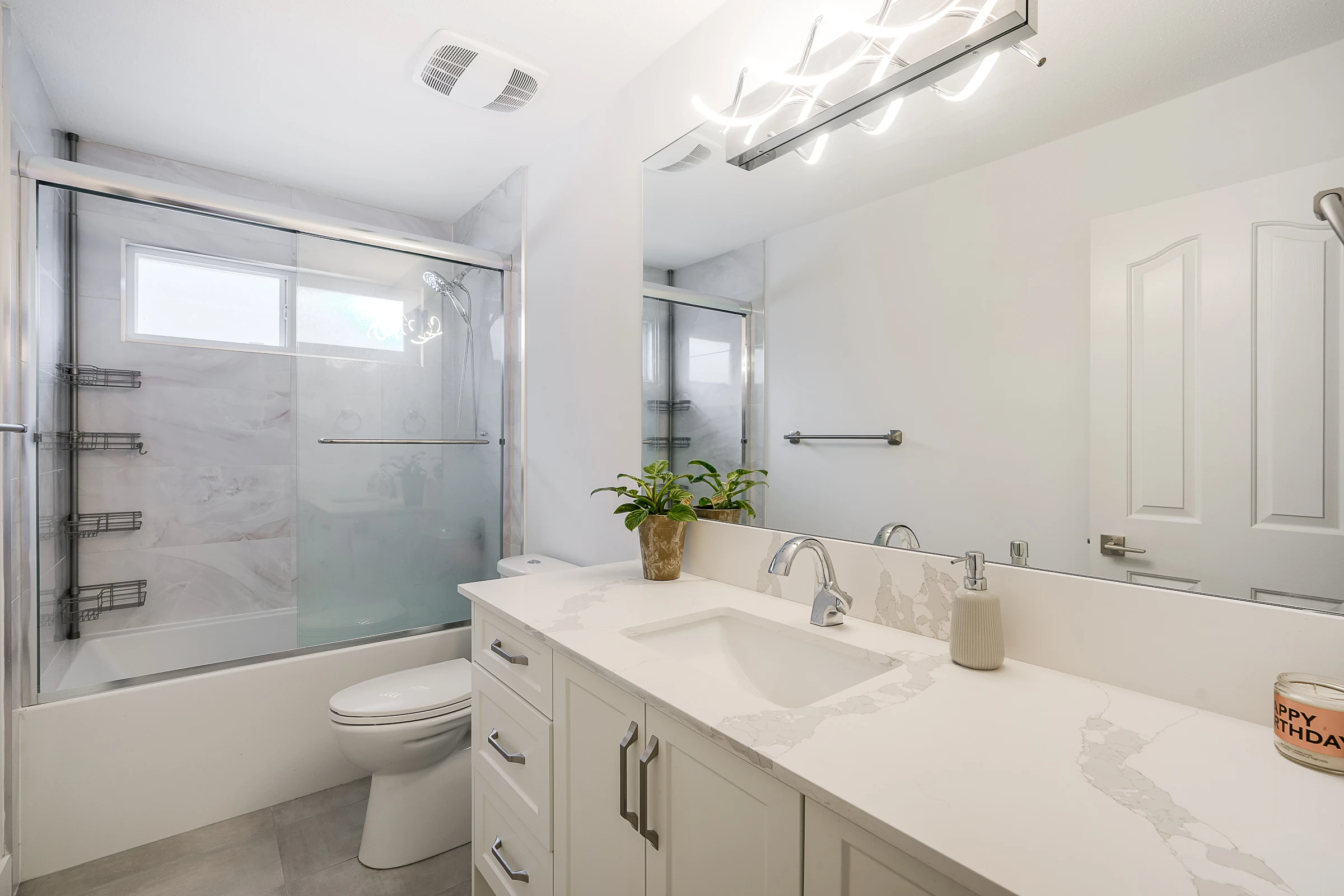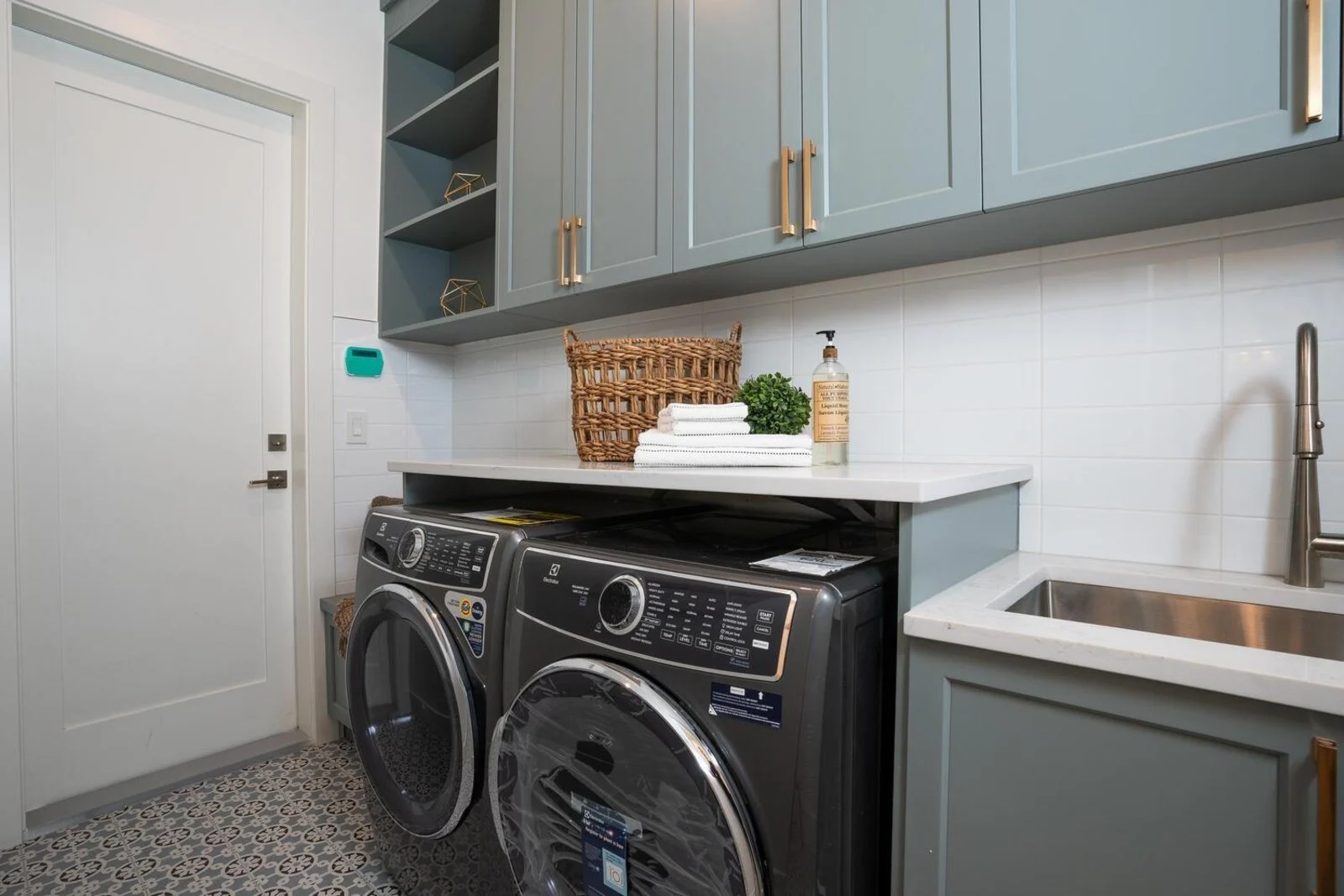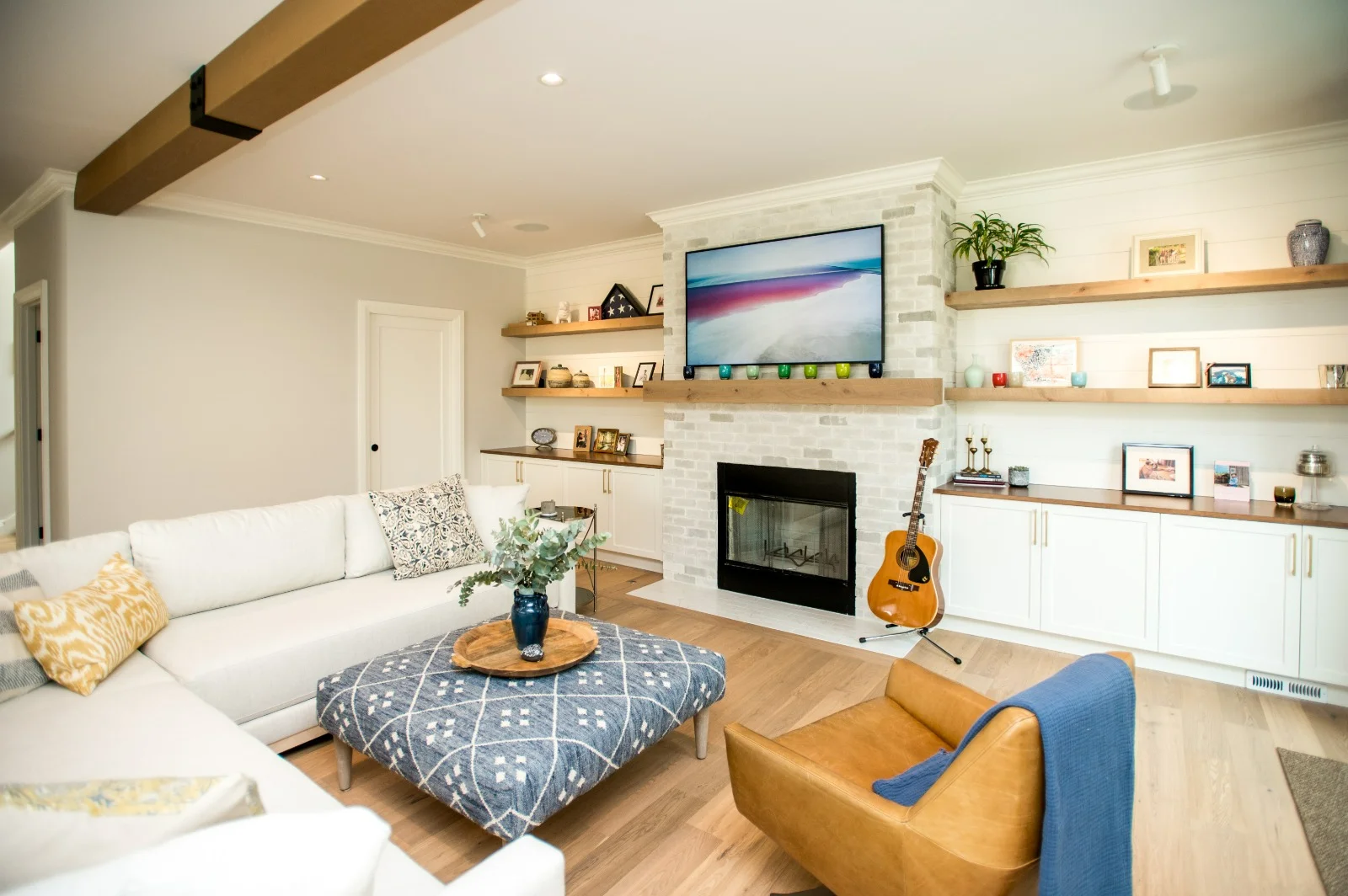
Warm, finished lower-level living space, suite interior

Secondary Suites
& Legal Basement Suites

The square footage you're
not using to it's
full potential.

For most Greater Vancouver homeowners, the basement is the last room that gets any attention: storage bins, aging mechanicals, and a lot of wasted potential. A legal secondary suite turns that into something that works: a separate home for an adult child, an aging parent, or a tenant who helps carry the mortgage. We've built suites across the Lower Mainland, so we can guide you through the permit details and help get yours through cleanly.

12+ Years building suites in Metro Vancouver
2014 Family-owned and operating since
End-to-end Permits, inspections, and build under one team
Same team From first quote to final key handover
THE FINANCIAL UPSIDE OF A SUITE

A legal suite can
pay for itself.

Suites are ideal for any home. They can serve as a self-contained unit that separates space for your family, or they can even help carry the mortgage through renting. That upside always holds true. 

However in Canada, there can also be the added benefit of valuable incentives and programs to encourage new rental suites. From forgivable loans to low-interest financing to tax deductions on eligible suite-related expenses, BC can offer perks for renting out a suite. The recently-closed $40,000 Secondary Suite Incentive Program is an example. Let us help you handle the design, permits, and construction so it's done legally and properly from the start.

Program availability, eligibility, and tax treatment can change. Confirm current details with the relevant program provider, lender, and your accountant.
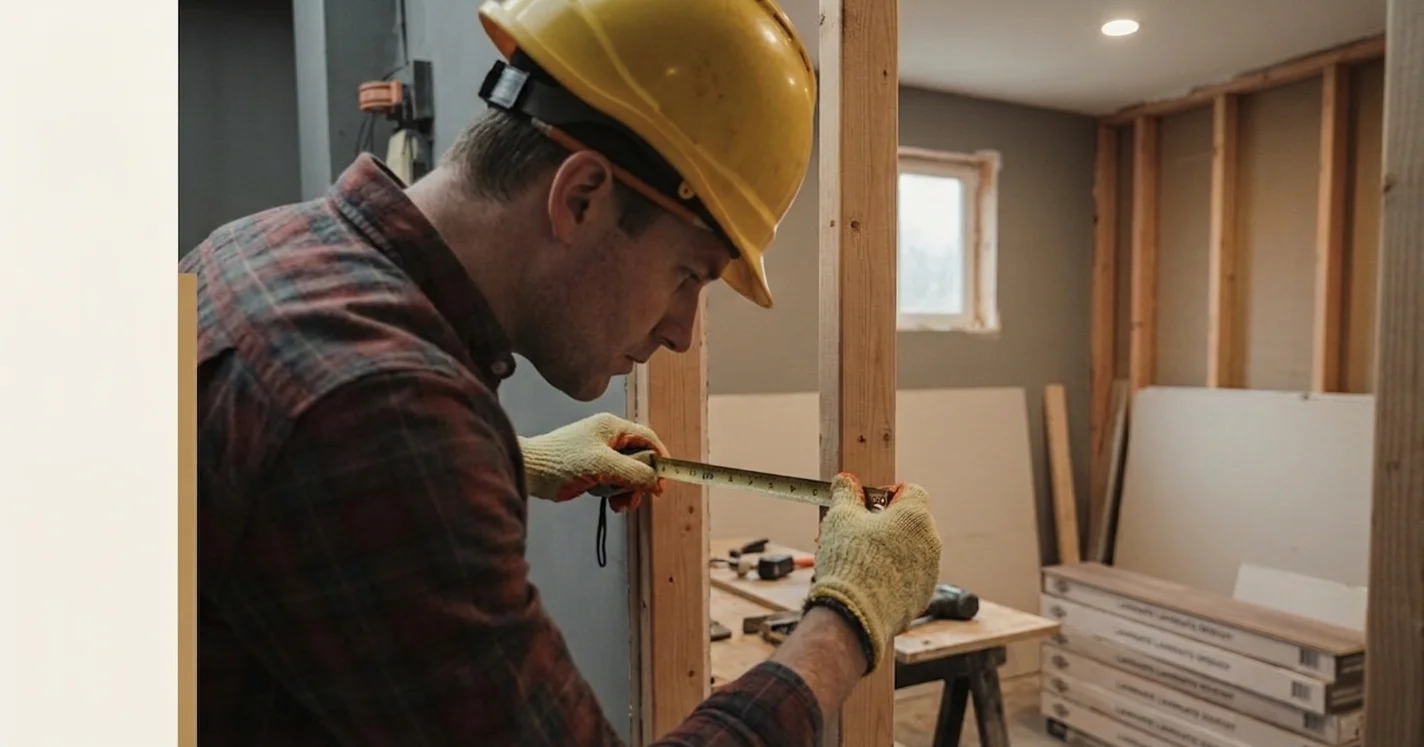
Carpenter in a hard hat measuring a wood stud wall during a basement suite framing build

Built to code

A suite that passes inspection, the first time.

A secondary suite isn't just a finished basement with a kitchen added. To be legal in Metro Vancouver, it has to meet BC Building Code requirements and your municipality's zoning bylaws: a separate entrance, egress windows, minimum ceiling height, fire separation between floors, dedicated electrical, and more.

Get it right once and you sidestep the common problems: a bylaw complaint, an insurance gap, a failed final inspection. Get it wrong and you're looking at costly remediation, or a suite you can't legally rent out.

See what's required
Finished lower-level living space, suite interior

Why Coastal

We've been navigating suite permits for some time.

Every city in Metro Vancouver has its own wrinkles, and the rules keep changing. We've tracked every municipal update, permit change, and bylaw revision across Burnaby, Surrey, Richmond, Delta, and beyond, so we know what each one checks for before we start.

We pull the permits, attend every inspection, and manage the process from site visit to certificate of occupancy. The majority of our work comes from referrals, and you'll deal with the same names from quote to key handover, not a coordinator three layers removed.

Book a free consultation

Common project types

What type of suite are you planning?

The typical secondary suite projects fall into one of three categories. Each has its own permit path, typical scope, and investment range. 

Garage → Suite

Garage Conversion

Converting an attached or detached garage into a true living unit. More structural work than a basement build, but it creates an above-grade suite with better natural light.

  • Foundation & slab insulation
  • Stud framing + vapour barrier
  • New windows & exterior door
  • Full mechanical services
  • Zoning variance sometimes required
Above-grade

In-Home Secondary Suite

Partitioning part of your main home (an upper level, a main-floor wing, or an accessory space) into a fully self-contained above-grade suite.

  • Separate entrance (may need addition)
  • Soundproofing between units
  • Independent services throughout
  • Structural reconfiguration often required
  • Zoning review on every project

BC Building Code + Municipal Bylaws

Legal suite requirements, reviewed up front.

Requirements vary by municipality, the existing home, and the final code path, but these are the main items we review on nearly every legal suite project in Metro Vancouver.

01
Separate Entrance

A dedicated entry for the suite, with safe access that does not rely on moving through the main living area.

02
Ceiling Height

Sufficient ceiling height in key living areas to meet code and create a comfortable, usable suite.

03
Egress Windows

Bedroom windows or other compliant escape routes sized and located to satisfy fire-safety requirements.

04
Fire Separation

Code-compliant separation between the suite and main home to support fire safety and inspection approval.

05
Electrical Capacity

Electrical service that supports the added suite safely, whether through panel upgrades, dedicated circuits, or other code-compliant solutions.

06
Kitchen Facilities

A self-contained kitchen setup appropriate for a legal secondary suite.

07
Bathroom

A private bathroom within the suite, designed to meet code and function independently from the main home.

08
Sound Separation

Insulation and assembly details that help reduce sound transfer between the suite and the main dwelling.

09
Smoke and CO Alarms

Properly located and interconnected life-safety devices as required for both the suite and the main home.

Exact requirements depend on the municipality, the existing home, and the final design approach. We review applicable bylaws and code requirements for each property before finalizing scope.
How a suite build runs

Five phases.
One schedule.

Every suite project follows the same disciplined sequence, from first site visit to final inspection. Timelines vary by project; the process doesn't.

Phase 01

Assessment & Permitting

A site visit and feasibility review, covering ceiling heights, egress, and zoning, followed by design drawings and permit submission. Nothing on site begins until approvals are in hand.

Phase 02

Demolition & Rough Opening

Existing finishes come out and the suite starts to take shape, including the separate entrance, window openings, and subfloor prep. Site cleanup is managed throughout.

Phase 03

Mechanical & Structure

Electrical, plumbing, heating, fire separation, and insulation are roughed in, then inspected before anything is closed up.

Phase 04

Suite Fit-Out

Drywall, kitchen, bathroom, flooring, and finishes go in. This is the stage where the suite starts to feel like a home.

Phase 05

Inspection & Handover

Final inspections, occupancy sign-off, a professional clean, and key handover with your documentation. If something isn't right after you move in, we come back.

Placeholder · replace with real review "Review
We were skeptical we could build a proper suite in our Ladner home. The ceiling wasn't quite tall enough and the layout looked impossible. Coastal figured out the egress, raised a beam in one section, and we passed final inspection on the first try. The suite has been rented for eight months now and the mortgage feels manageable for the first time.
Sandra & Tom K. Legal basement suite · Ladner, BC

Common questions

What homeowners usually ask before a suite build. (Review)

Don't see yours here? Call us. We answer the phone.

(778) 878-9610
Not always without work. The most common issues we find are insufficient ceiling height (under 1.95 m), no egress windows, and shared electrical circuits with the main home. That said, most basements in Metro Vancouver can be brought into compliance. It's a matter of scope and budget. We do a thorough assessment on the first visit and give you an honest picture of what you're looking at before any commitment.
Permit timelines vary meaningfully by municipality. Burnaby and Richmond typically run 6–10 weeks; Surrey is often faster; Vancouver proper can run longer depending on backlog. We submit a complete package the first time (drawings, site plans, engineer stamp where required) to minimize back-and-forth. Plan for 4–8 weeks permit wait before we break ground.
Once the municipality issues occupancy, yes. Occupancy is the legal green light for tenancy, and our schedule is built to get you there cleanly. We don't hand over a suite until all inspections are passed. You'll have the documentation you need to register with BC Residential Tenancy and begin advertising immediately.
BC Building Code requires a minimum of 1.95 m (6'5") clear height throughout habitable spaces, measured from finished floor to finished ceiling. The tricky part: ducts, beams, and bulkheads count against you. We measure every square foot of the basement on the site visit and flag any areas that will need structural or mechanical work to clear the threshold.
Yes, and this is important to get right before tenants move in. Most standard homeowner policies don't automatically cover a rental suite. You'll need to notify your insurer and likely switch to a policy that includes landlord liability and loss-of-rental coverage. We flag this at handover and can refer you to a broker who specializes in secondary suite coverage if needed.
In most municipalities, yes. A secondary suite requires a separate mailing address (typically a "B" suite designation, e.g., 1234 Main St Unit B). We handle this as part of the permit process. Some municipalities require it before tenancy begins; others assign it automatically at occupancy. We walk you through the local requirement for your specific property.
Most legal basement suite builds in Metro Vancouver run between $55,000 and $110,000+ depending on the existing state of the basement, ceiling height complexity, entrance requirements, and finish level. Garage conversions and above-grade suites tend to run higher. We don't quote over the phone. The site visit gives us what we need to put together a detailed, itemized estimate for your project.

Let's talk secondary suites

Tell us about
your home.

Free, candid, no pitch. Tell us what you're picturing. A legal basement suite, a garage conversion, a mortgage helper that passes inspection the first time. We'll walk through the space, then tell you honestly what it takes and whether we're the right fit.

Call (778) 878-9610