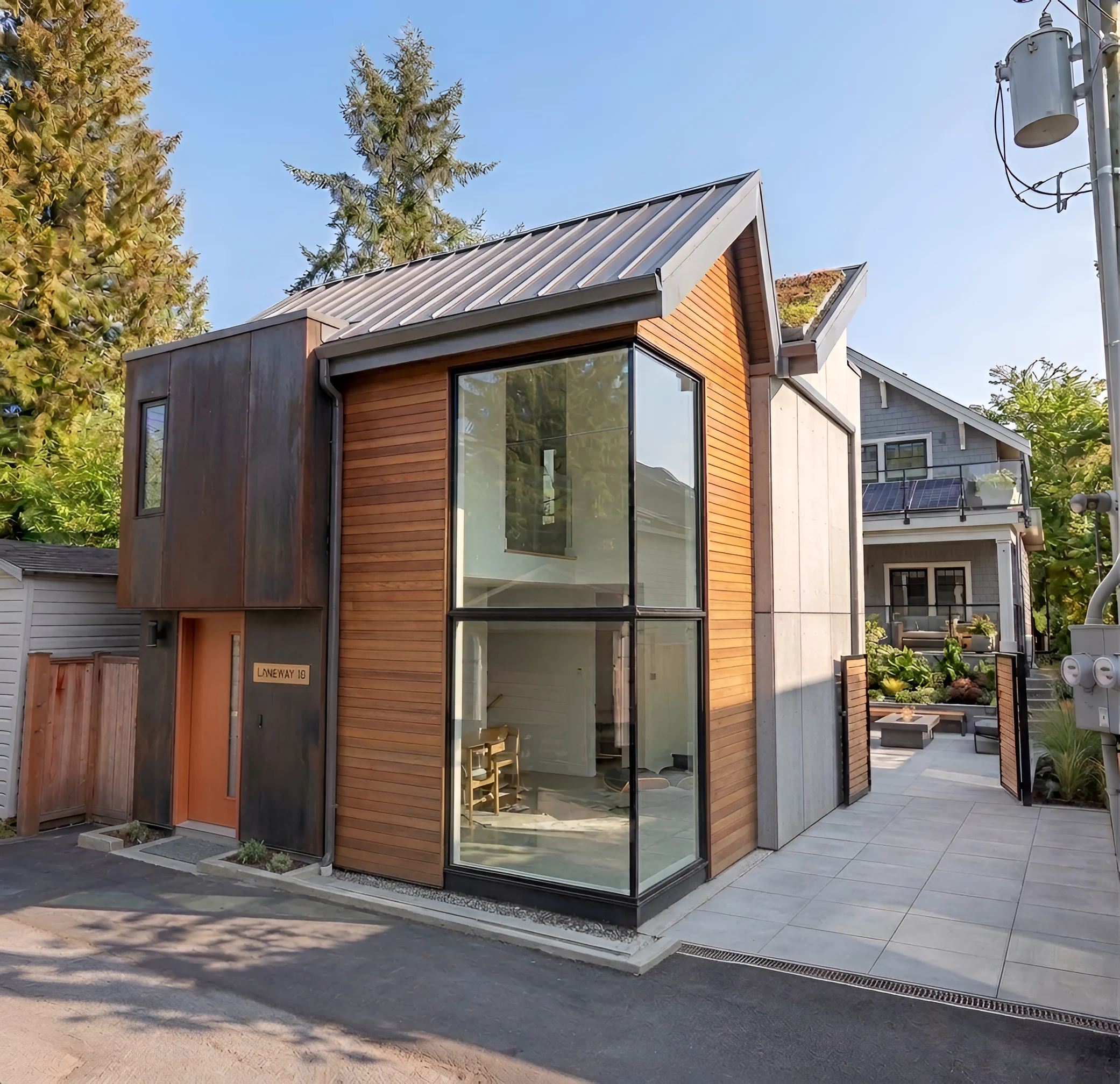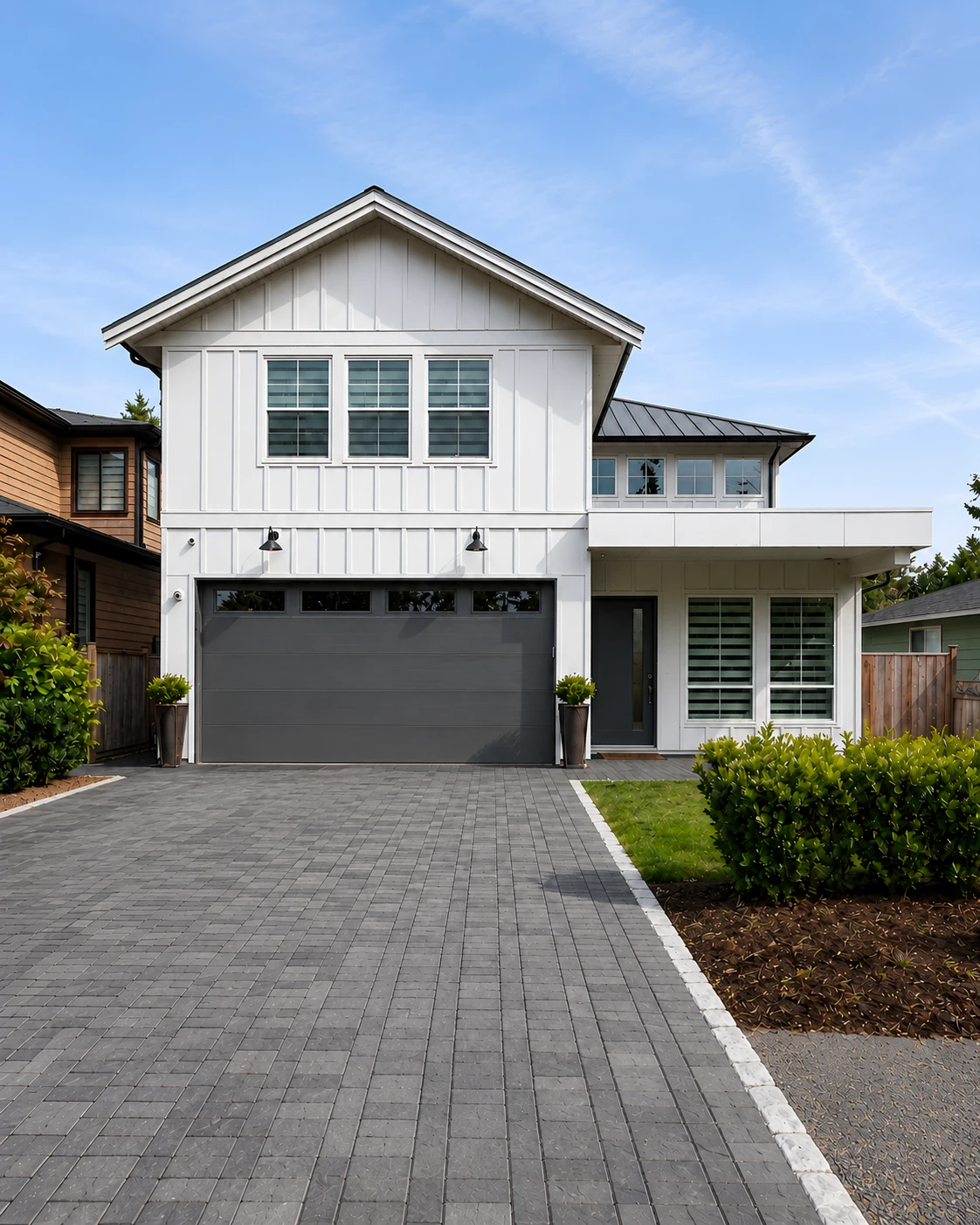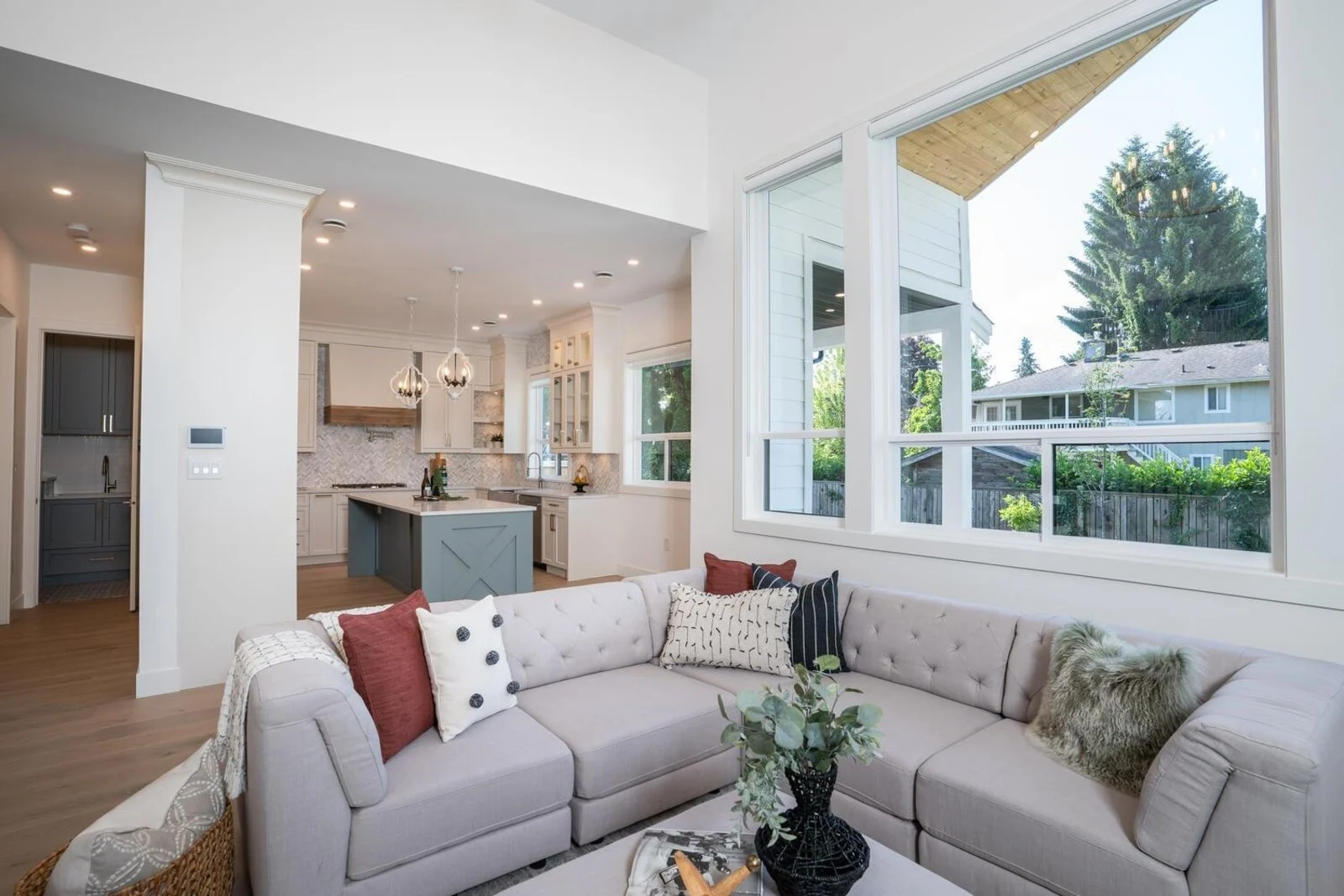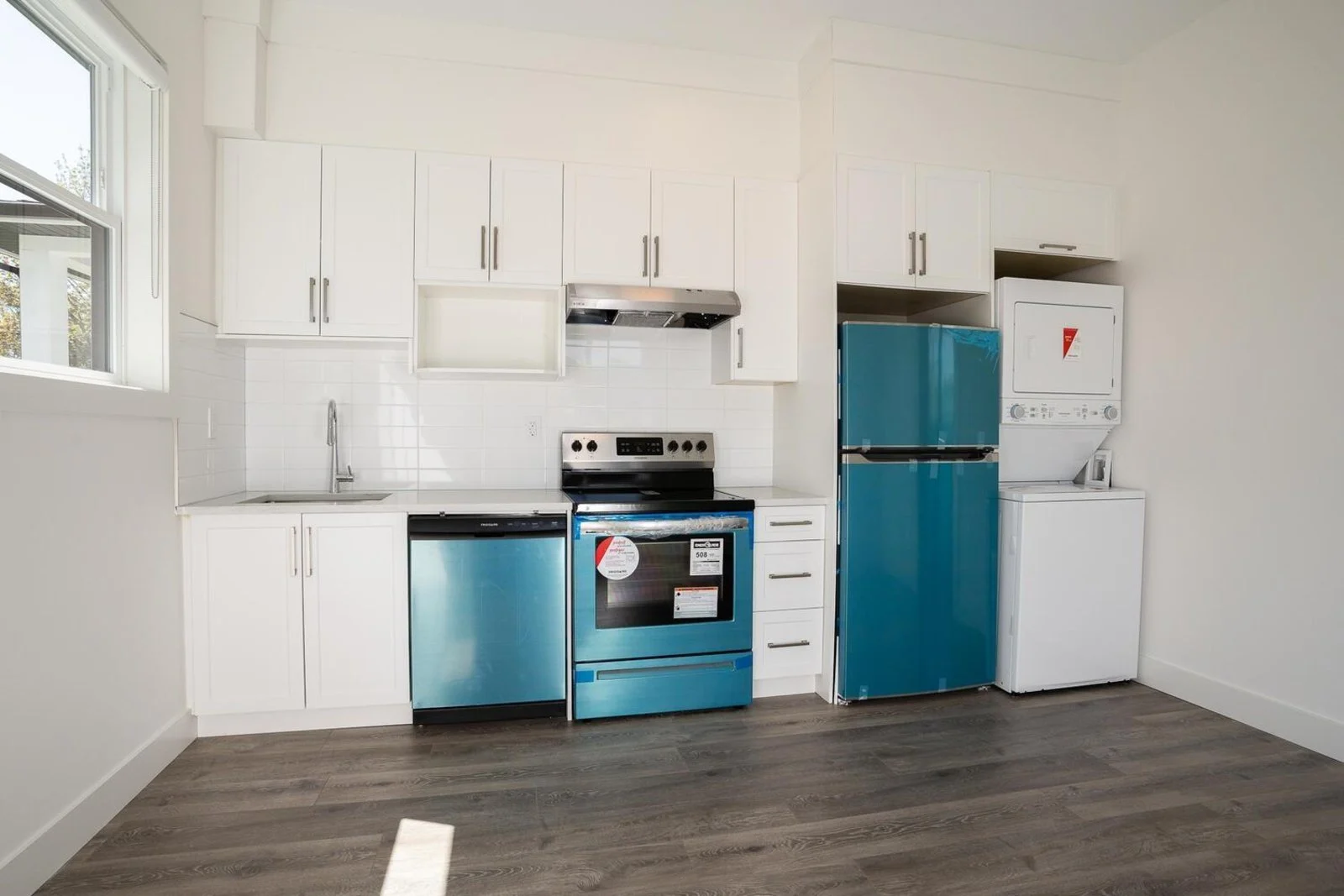
Two-storey cedar and steel laneway home with full-height glazing and metal roof

Laneway Homes
& Accessory Dwelling Units

The next most ambitious thing you can build is already on the ground you own.

A laneway home isn't a renovation; it's a second residence built from grade up on your property. New foundation, new framing, new envelope, new services. Done poorly, it's the most expensive shed in your neighborhood. Done well, it's a home for your relatives, a long-term rental, or a place you eventually downsize into yourself. 
12+ Years building across Metro Vancouver
500–1,200 Sq ft typical ADU footprint
10–18 mo Typical timeline, permits to occupancy
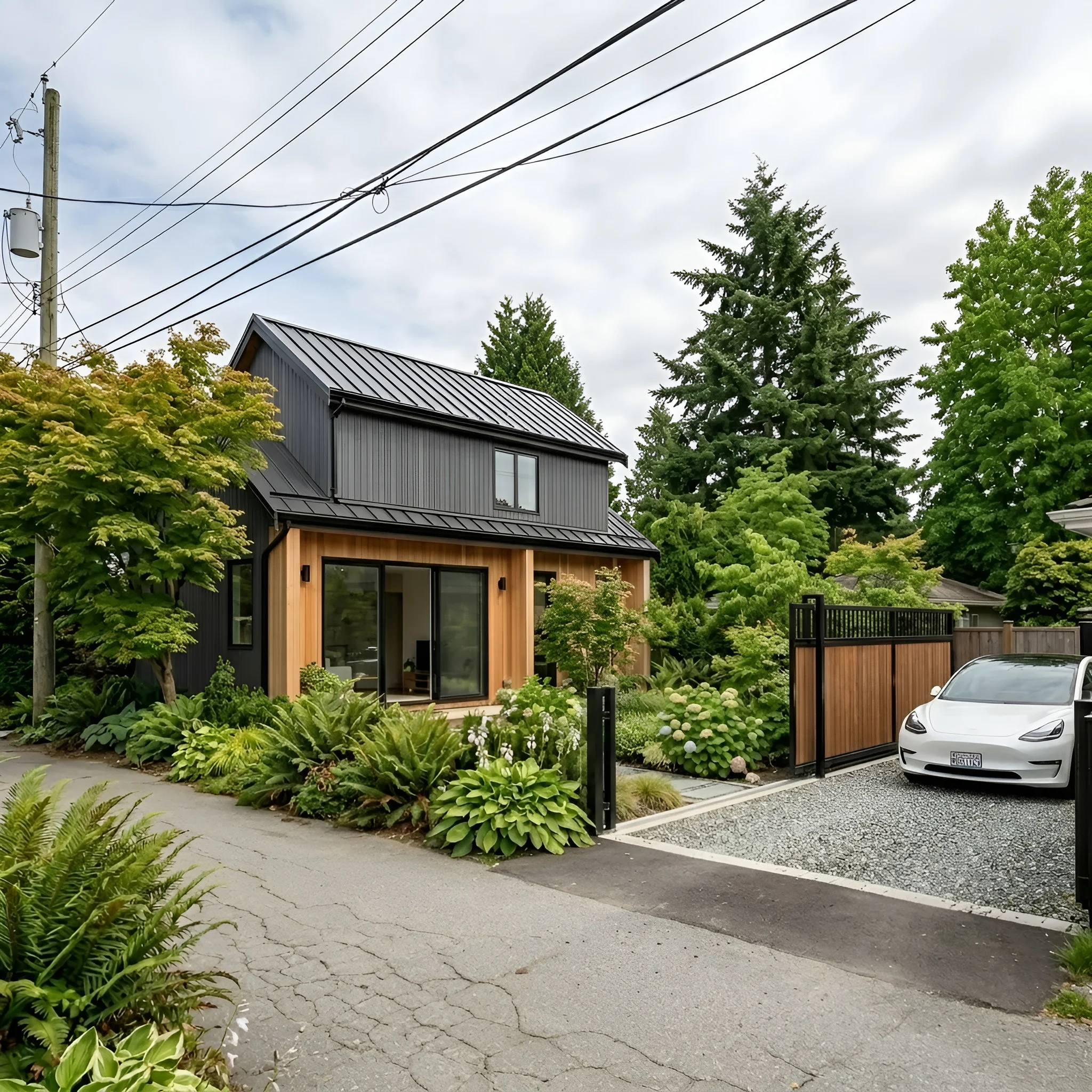
Black board-and-batten laneway home with cedar accents and rear lane parking

The work

A new home, on the lot you already own.

A laneway home is, in every meaningful sense, a brand-new house. Excavation, footing pours, foundation walls, framing, sheathing, weather barrier, windows, roofing, mechanicals, finishes: the whole sequence, just at a smaller footprint. The build itself is straightforward for any contractor with house-building experience. The hard part is everything that happens before the shovel goes in: zoning confirmation, site servicing, tree retention, FSR calculations, design that fits the lot, and a permit package the municipality can actually approve.

We've been doing site-built construction in the Lower Mainland since 2014. A laneway is not a kit; it's a custom build at a small scale. We treat it that way.

Talk to us about your property
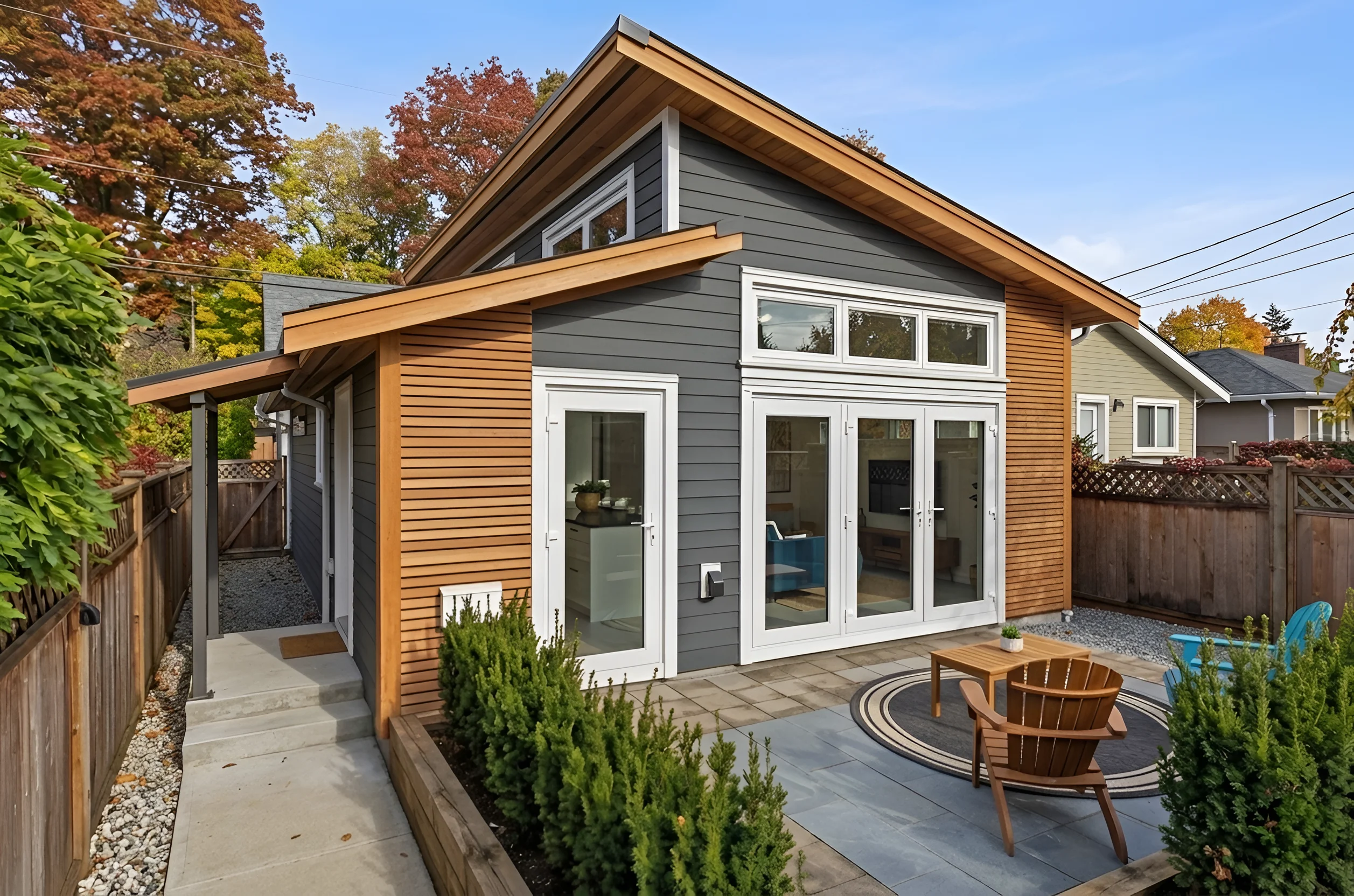
Single-storey cedar and grey laneway home with French doors opening to private patio

Why Coastal

Built by one team, from foundation to final inspection.

The laneway market in Greater Vancouver has two kinds of builders: pre-fab resellers who drop a manufactured unit on a foundation someone else poured, and full-service general contractors who do the whole build on site. We're the second kind. Same names from your first site visit through final inspection. Same crew that's renovating residential and commercial builds across Vancouver.

We'll coordinate a pre-fab supplier if that's the right call for your project; some lots and budgets favour it. But we won't pretend a turnkey kit-home solves the hard parts. Permits, services, and site work still happen on the ground.

Book a feasibility visit
Bill 44 BC Small-Scale Multi-Unit Housing

Provincial zoning, rewritten

Laneway homes and ADUs are legal on far more lots now.

Bill 44, BC's Small-Scale Multi-Unit Housing legislation, requires municipalities to allow additional units on lots once limited to a single house or duplex. That's the reason a detached laneway home or garden suite is now possible on many properties that didn't permit one before.

What's allowed varies city to city, and bylaws are rewritten occasionally. We confirm what your specific lot permits before we design or price anything.

Common project types

What are you trying to build?

Most ADU projects fit one of three shapes. Each has its own permit path, site-work demands, and budget range, and the right answer depends as much on the lot as on the homeowner.

Two-storey

1.5- or 2-Storey ADU

A taller, larger ADU, usually 800–1,200 sq ft across two levels. Common where FSR allows additional height and the lot can absorb a more substantial structure.

  • Engineered foundation & structure
  • One or two bedrooms above main floor
  • Often allows separate office or studio
  • Higher window/door package
  • Shadow-study sometimes required
Garage + above

Coach House (Garage-Top)

A ground-floor garage with a one- or two-bedroom unit above. Common in older Vancouver and South Surrey neighbourhoods where lane access supports it.

  • Reinforced foundation for garage span
  • Fire-rated assembly between uses
  • External stair to upper unit
  • Often paired with main-home parking solution
  • Frequently a heritage / character build

INTEGRITY ABOVE ALL

Not every property can support a laneway, and we'll tell you before you fall in love with the idea.

The biggest hidden cost on an ADU project is finding out after the deposit that your lot can't actually accommodate one. Our feasibility visit covers four things, in this order. If any of them are a hard "no," we tell you on day one.

01
Lot Eligibility & FSR

Zoning designation, floor space ratio remaining after the existing home, setback rules from rear lane and side lots, and any overlay restrictions (heritage, view cones, agricultural). We confirm what your lot legally allows before any design work begins.

02
Servicing & Utilities

Water, sanitary, storm, and electrical service capacity. Some lots have a clean independent run to the lane; others require costly upgrades to the main service or a complex tie-in through the front. We check what's there and what's needed before quoting.

03
Tree Retention & Setbacks

Most Metro Vancouver municipalities have strict tree-protection bylaws, and a mature tree in the rear yard can quietly veto a laneway footprint. We map every protected tree, drip line, and required setback as part of the feasibility report.

04
Permit Pathway

Some municipalities have a streamlined laneway program; others run every ADU through full development permit review. We map the actual review path for your address (and the realistic timeline) before you commit to a design or a budget.

We run feasibility as a fixed-fee engagement before any design contract, so if your lot doesn't work, you haven't paid for drawings you can't use.

Request a feasibility visit

How an ADU build runs

Five phases, none of them rushed. (Review)

A laneway home is a full new build, not a minor renovation. Each phase has its own pace, and we keep you informed at every step.

Phase 01

Feasibility & Concept

Site visit, lot eligibility check, FSR calc, services audit, tree assessment, and a concept sketch that fits the lot. You decide whether to proceed before any design fees are committed.

Phase 02

Design & Permit

Architectural drawings, structural and mechanical engineering, energy compliance, arborist report if required, and submission to the municipality. Review timelines vary wildly: Vancouver longer, smaller municipalities faster.

Phase 03

Site Prep & Foundation

Tree protection, demolition where required, excavation, service trenching, foundation pour, and underground rough-ins. The most disruptive phase for the existing home; we sequence it carefully.

Phase 04

Build & Close-In

Framing, sheathing, roofing, envelope, windows, mechanical and electrical rough-in, insulation, drywall, and interior finishes. Coordinated trades through to final paint and millwork.

Phase 05

Inspection & Occupancy

Final mechanical, electrical, plumbing, and building inspections. Occupancy permit issued. Keys, documentation, and warranty package handed over. Annual follow-up included.

Placeholder: replace with real review "Review
We thought about a laneway for two years before we called Coastal. The thing that surprised us was the feasibility visit: they came out, told us what FSR we had left, walked the rear yard, and identified a tree we'd have to design around. We had a clear picture of cost and timeline before we paid for a single drawing. Sixteen months later, our daughter and her partner live in the back. It's the best decision we've made on the property.
Margaret & Don V. Single-storey laneway · East Vancouver, BC

Common questions

What homeowners ask before building an ADU. (Review)

Don't see yours here? Just call us.

(778) 878-9610
Three things matter: your zoning designation, your remaining floor space ratio (FSR), and your lot's rear/side setbacks. Under Bill 44, most lots zoned single-family or duplex are now eligible for at least one additional unit, but eligibility doesn't mean feasibility. A protected tree, a tight rear yard, or limited servicing can quietly disqualify a lot from a practical laneway build. Our feasibility visit answers this in one site walk.
Long-term tenancy is permitted in nearly every municipality once occupancy is issued. Short-term rental rules (Airbnb-type stays) vary significantly: Vancouver and several other cities restrict short-term rental of secondary units, and the BC Short-Term Rental Accommodations Act adds further provincial rules. We walk you through what's permitted at your specific address before scope is finalised.
Sometimes, yes. If your main home is on an older 100-amp electrical service and you're adding a fully-electric ADU with a heat pump, the main service may need to upgrade to 200 amps, or the ADU may need a separate service run from the street. Same logic applies to sanitary and water. We audit this on the feasibility visit so the cost is in the budget from day one, not discovered halfway through framing.
The construction itself runs four to six months once we're framing. The rest of the timeline is design, engineering, energy compliance, and municipal permit review, which can run anywhere from three to nine months depending on the city, the complexity of your lot, and current backlogs. We submit complete packages to minimise back-and-forth, but municipal review time is not something any contractor can promise away.
Site-built single-storey laneway homes in Metro Vancouver typically run $380,000 to $540,000+ for the build itself, before soft costs (design, engineering, permits) which add another 8–14%. Two-storey, garage-top, and architecturally complex ADUs run higher. We give you a fixed-price construction quote after design is locked, and we're transparent about which items are still estimates (e.g. service-tie-in allowances) versus fixed scope.

Let's talk laneway homes

Tell us about
your lot.

Free, candid, no pitch. Tell us what you're picturing. A laneway rental, a suite for family, the place you'll eventually downsize into. We'll start with what your lot allows, then tell you honestly what it takes and whether we're the right fit.

Call (778) 878-9610